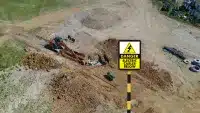
What is a Soakaway?
What Is a Soakaway? A Complete Guide to Sustainable Drainage
A soakaway is an underground drainage solution designed to collect, store, and gradually disperse excess surface water into the surrounding soil. Instead of directing rainwater into the mains drainage network, a soakaway allows water to return naturally into the ground—reducing the risk of flooding, standing water, and system overload.
Soakaways are a core component of Sustainable Drainage Systems (SuDS) and are widely used in both domestic and commercial developments.
How Does a Soakaway Work?
A soakaway works in three main stages:
Collection
Rainwater from roofs, gutters, driveways or hard landscaped areas flows into the soakaway via pipework or drainage channels.
Storage
The soakaway temporarily holds water within its structure—usually a modular crate system or gravel-filled pit.
Infiltration
Water gradually seeps through permeable geotextile and into the surrounding ground, filtering naturally into the soil.
This process ensures a controlled release of water, keeping the local drainage infrastructure free from unnecessary strain.
Types of Soakaways
1.Modular/Crate Soakaways (Most Common Today)
High‑void plastic crates wrapped in permeable geotextile membrane.
Benefits:
-
High storage capacity
-
Lightweight and quick to install
-
Long lifespan
-
Suitable for domestic and commercial sites
2. Traditional Rubble Soakaways
A pit filled with stone or gravel.
Best for:
Small domestic drainage where flow volumes are low.
3. Trench Soakaways
Long, shallow trenches filled with drainage material.
Typically used for:
Car parks, access roads, and large paved areas.
Benefits of Installing a Soakaway
- Prevents surface water flooding
- Removes standing water on driveways, lawns, and landscaped areas
- Reduces pressure on public sewers
- Promotes natural groundwater recharge
- Environmentally friendly and compliant with SuDS principles
- Cost‑effective long‑term drainage solution
- Low maintenance once installed correctly
Where Are Soakaways Used?
- Residential gardens and new build properties
- Commercial units and industrial estates
- Car parks, private roads and hardstanding
- Agricultural buildings
- Retail parks and logistics sites
Whether you’re managing small domestic runoff or large‑scale surface water volumes, soakaways can be scaled to suit almost any project.
Is a Soakaway Suitable for Your Site?
A professional assessment is recommended, but suitability generally depends on:
✔ Soil Permeability
The ground must drain well enough to allow infiltration. A percolation test or BRE Digest 365 soakaway test is usually required.
✔ Distance from Buildings
Most regulations require a soakaway to be at least 5 metres away from any structure.
✔ Water Table Levels
High groundwater can make a soakaway unviable.
✔ Catchment Area Size
Roof area, paved surfaces, and rainfall intensity determine required soakaway volume.
What Is a Soakaway Made From?
Most modern soakaways include:
- Modular plastic attenuation crates
- Non‑woven permeable geotextile membrane
- Inlet pipework
- Optional inspection or vent points
- Protective backfill (usually clean granular material)
These components create a strong, reliable, and long‑lasting drainage system.
Soakaway Installation Overview
While installation varies depending on the system, the general process includes:
- Excavation of the required pit or trench
- Laying a level base and protective membrane
- Installing crate modules or drainage material
- Wrapping with geotextile membrane
- Connecting inlet pipework
- Backfilling and reinstating the surface
A professional installer will ensure compliance with building regulations and drainage design guidelines.
Why Soakaways Matter Today
With increasing rainfall intensity and more impermeable surfaces in modern developments, effective stormwater management is critical. Soakaways help:
- Reduce the risk of localised flooding
- Prevent infrastructure overload
- Support sustainable development
- Improve site drainage performance
They are now a standard requirement for many planning authorities and developers.